How to Create a Seamless Kitchen Experience with Built-in Appliances in Australia
Evaluating Built-in Appliances
Aesthetic Advantages
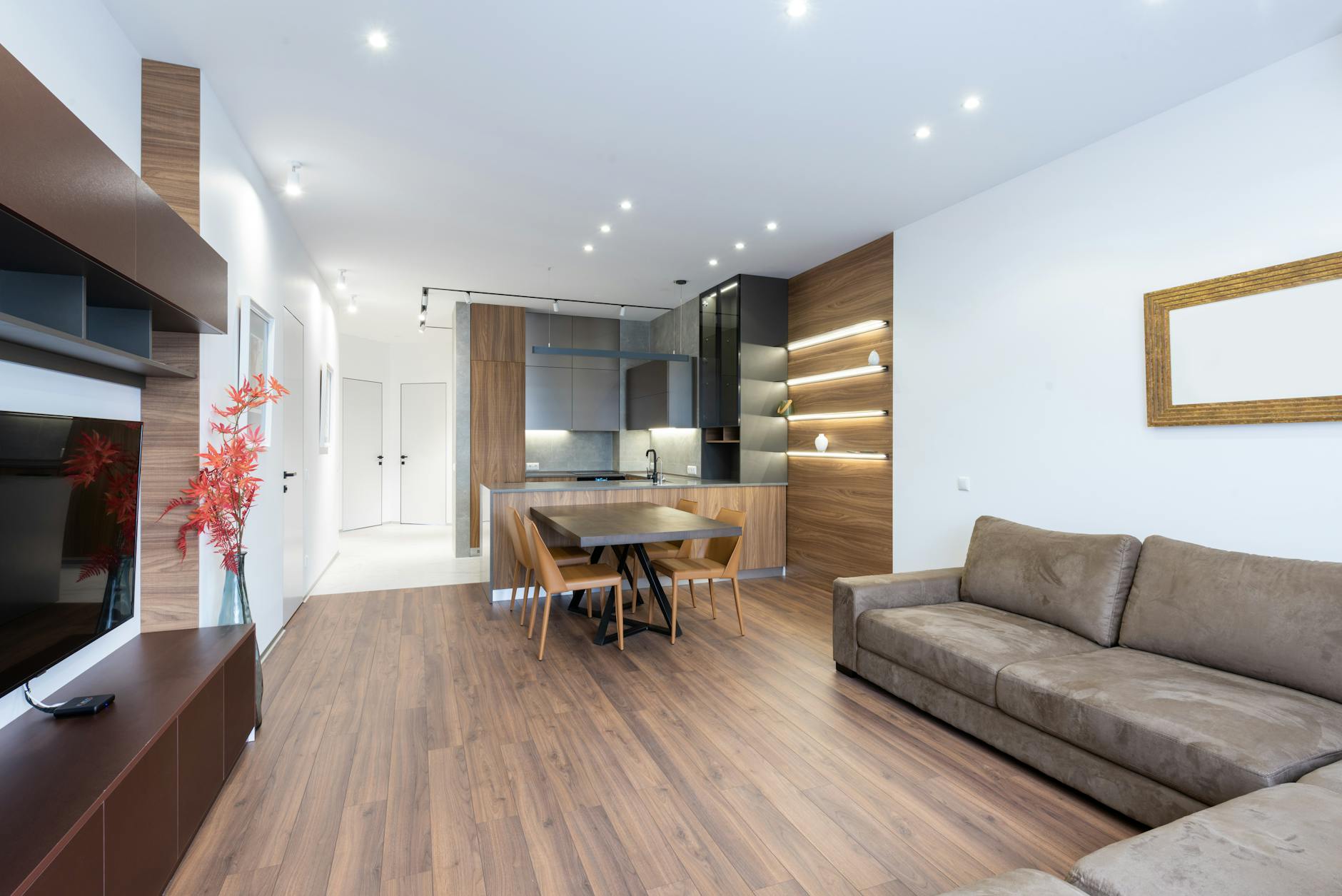
As an industrial designer rooted in the vibrant creativity of Melbourne, I often draw inspiration from the design exhibitions at Federation Square. You can take note of how built-in appliances seamlessly integrate into kitchen spaces, offering a sleek aesthetic that's both modern and minimalist. It’s fascinating to see how a well-designed induction cookware pan complements these setups, enhancing the overall visual harmony.
Even if your kitchen isn’t in the heart of Southbank’s creative spaces, you can achieve a similar look by selecting appliances with streamlined designs and finishes like stainless steel. These elements help in maintaining a clutter-free environment, allowing the design elements to breathe and foster an inviting ambiance.
Functional Benefits
In the practical use of built-in appliances, functionality is a significant advantage. Imagine having everything at your fingertips—like a camping cooker for outdoor adventures—that makes meal preparation efficient and enjoyable. Built-in models often come with advanced features such as precise temperature settings and smart controls that are intuitive and user-friendly.
Moreover, built-in appliances offer ergonomic benefits by positioning gadgets like ovens and microwaves at optimal heights. This reduces the need for uncomfortable bending and stretching, making cooking a joy rather than a chore.
Space-Saving Solutions
While space-saving might not be as visually striking as a visit to RMIT University design laboratories, it certainly impacts your kitchen’s overall utility. Built-in appliances maximise floor space, particularly in smaller kitchens, by eliminating the need for cumbersome freestanding units. A 99 skip bin can discreetly blend into cabinetry, keeping your kitchen tidy without sacrificing style.
Choosing the Right Appliances
Navigating the world of appliance selection is no small feat, especially when trying to align them with your personal style. I often find myself weaving practicality with aesthetics, much like the dynamic seen at design exhibitions at Federation Square. When considering major appliances like an industrial dishwasher or cutting-edge gadgets like a 3D TV, the challenge lies in ensuring they resonate with the overall theme of your kitchen space. It’s about creating a harmonious balance between functionality and visual appeal.
Matching Personal Style
When tailoring appliance choices to your style, focus on elements that speak to your unique personality. This could involve selecting colors and finishes that align with your personal aesthetic. Stainless steel may lend a sleek, modern edge, whereas integrated panel options can offer a minimalistic look.
Considering Kitchen Layout
The layout of your kitchen significantly impacts appliance selection, guiding the choices toward more streamlined options like a Hobart dishwasher, known for its compact design. Consider how the appliances fit into your workspace, allowing for easy access and optimal workflow. This approach ensures that your kitchen remains a place where creativity can thrive without unnecessary obstacles.
Prioritizing Key Features
Identifying key features that meet your culinary needs is crucial. For some, it may be energy efficiency, while for others, it could be advanced technology that simplifies cooking tasks. Methods learned at the RMIT University design laboratories often involve balancing energy-saving capabilities with cutting-edge technology, ensuring your appliances are both eco-friendly and efficient.
Integrating Appliances Seamlessly
Tailoring to Culinary Needs
When designing a kitchen, considering your culinary needs can make a world of difference. As someone who frequently uses kitchen appliances for photography, I understand the importance of selecting items that contribute to both function and style. For instance, choosing the right appliances—like a reliable oven and a sleek mixer—not only enhances your cooking experience but also elevates the visual appeal of your kitchen. wood cutting boards, too, add warmth and a rustic charm, setting the stage for an aesthetically pleasing culinary space.
Enhancing Workflow Efficiency
Streamlining your kitchen's workflow is essential for both cooking efficiency and creative endeavours, such as photographing your culinary art. As a photographer, I'm aware that the layout can significantly impact how smoothly a shoot proceeds. Integrate appliances so that they align with your movement in the kitchen. For instance, positioning the fridge near the preparation area can save time and effort. This setup mirrors the systematic arrangement we'd often employ during exhibitions at Federation Square: designed for ease while ensuring visual delight.
Harmonizing with Design Elements
Design harmony is crucial, especially when working with varying textures and materials. Thoughtfully integrating design elements, like matching the finishes of your appliances to other kitchen features, can create a cohesive look. The sleekness of weight watchers bathroom scales beautifully exemplifies how functional items can blend seamlessly with the kitchen's overall design. Balancing utility with style, much like the artistic displays at the creative spaces in Southbank, will inspire a kitchen that truly caters to both your practical needs and aesthetic sensibilities.
Maintenance and Care
Routine Cleaning Tips
Having the right kitchen equipment means more than just owning a state-of-the-art induction oven; it’s about maintaining them to ensure top performance. Regular cleaning is crucial, ensuring your appliances remain functional and aesthetically pleasing. I always start with gentle cleansers—these protect surfaces without causing damage. For example, a simple mixture of vinegar and baking soda can clean microwavable containers effectively. This approach not only removes stains but also eliminates odours.
Longevity Assurance Practices
Appliance longevity is crucial. We want our appliances to last as long as possible, much like the detailed exhibits seen in the Federation Square design exhibitions. Regularly inspecting your appliances for signs of wear, such as frayed cords or loose fittings, can prevent future problems. Additionally, scheduling professional maintenance annually can pinpoint and address technical issues early on, ensuring your appliances serve you well over time.
Troubleshooting Common Issues
Sometimes, even after doing everything right, appliances can falter. For instance, if a chicken stew slow cooker stops heating evenly, checking the power source or resetting the appliance can resolve the issue. Keep user manuals handy, as they offer step-by-step solutions specific to your model. Remember, many issues stem from minor misalignments or electrical glitches, which can often be fixed without professional intervention.
Give these tips a try, and you’ll find your appliance maintenance routine not only efficient but also inspired by the principles of innovative design.
Navigating Integration Challenges
Tackling Installation Hurdles
As many in the vibrant Melbourne design community can attest, installations can be a bit tricky to navigate. Like the innovative designs that emerge from RMIT University’s laboratories, clever planning is crucial. Before you begin installation, consider consulting with a reputable appliance dealer for insights into your chosen product's compatibility with existing kitchen structures. This approach mirrors the design thinking applied when setting up creative exhibitions at Federation Square. Handling wiring or ventilation issues must be priority, as resolving these early prevents future headaches.
Preventing Design Mismatches
In crafting a cohesive kitchen aesthetic, sidestepping design clashes is key. Drawing from concepts often seen in Southbank’s creative spaces, which balance modernity and tradition, integrating your appliances requires a careful selection of styles and colours. A kitchen that feels disjointed can lead to a space that’s more frustrating than functional. Consider integrated dishwashers that blend well with your cabinetry or ovens whose control panels complement your benchtops.
Averting Integration Missteps
Finally, to avoid common integration blunders, think like an industrial designer. Map out your entire kitchen workflow, ensuring each appliance serves the overall design and functionality without redundancy. Imagine your kitchen as a creative canvas, where each appliance is a carefully chosen element that captures harmony and efficiency. These deliberate choices lead to kitchens that work seamlessly, motivating us every morning to create something new.